How to Write 鬼: Chinese Stroke Order

Learn how to write the Chinese character 鬼 with stroke order animation, step-by-step stroke images, pronunciation, pinyin and example words. Pinyin: guǐ.

How to Write 鬼: Stroke Order Animation
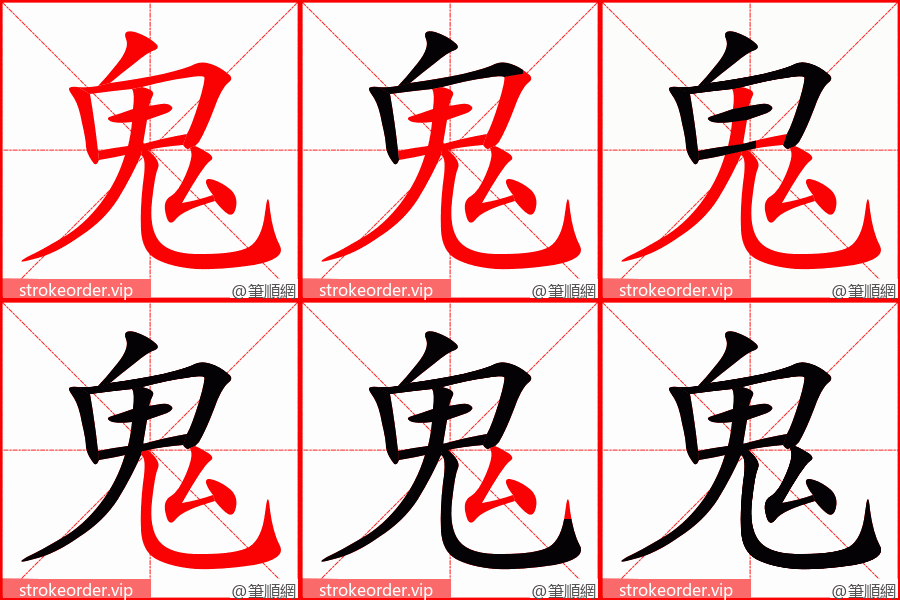
鬼 Chinese stroke order animation

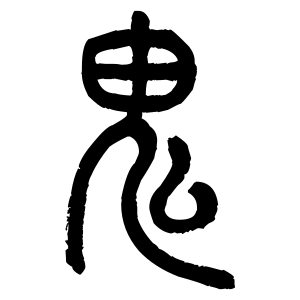
🖌️ Calligraphy Appreciation (click to enlarge)
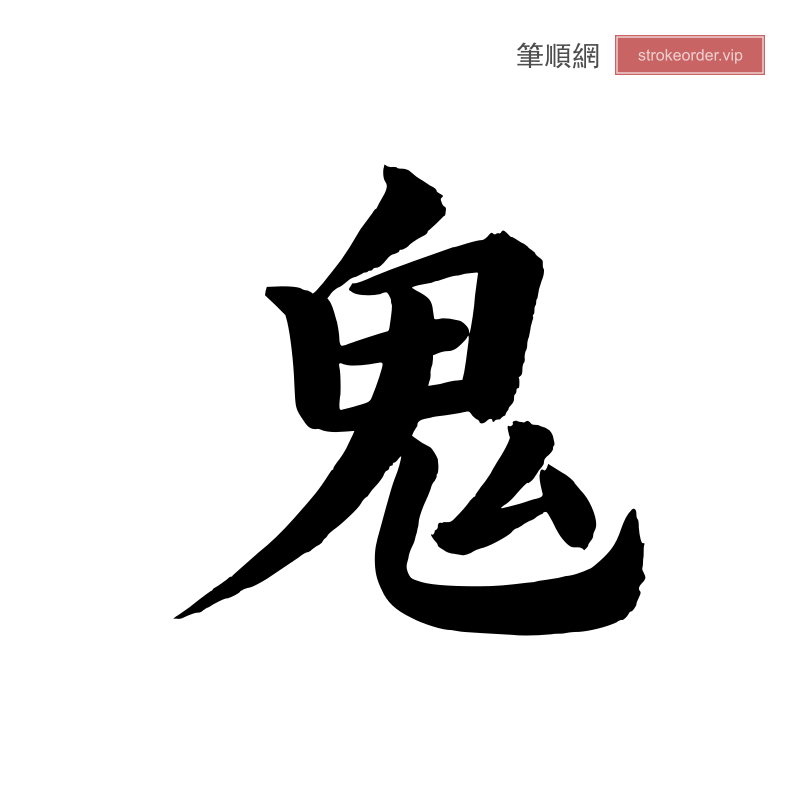
鬼 Chinese calligraphy
👆 Click image to enlarge

Stroke Breakdown of 鬼 (9 strokes)

9
Stroke 1 of 鬼: Left-falling
1 Left-falling
Stroke 2 of 鬼: Vertical
2 Vertical
Stroke 3 of 鬼: H-Turn
3 H-Turn
Stroke 4 of 鬼: Horizontal
4 Horizontal
Stroke 5 of 鬼: Horizontal
5 Horizontal
Stroke 6 of 鬼: Left-falling
6 Left-falling
Stroke 7 of 鬼: V-Curve-Hook
7 V-Curve-Hook
Stroke 8 of 鬼: Left-falling-Turn
8 Left-falling-Turn
Stroke 9 of 鬼: Dot
9 Dot

Words with 鬼

鬼ghost
sly
crafty
鬼主意evil plan; wicked idea; evil plan
鬼佬foreigner (Cantonese)
westerner
鬼使神差demons and gods at work (idiom); unexplained event crying out for a supernatural explanation
curious coincidence
鬼剃头alopecia
鬼名堂A trick that was difficult to discover, or figure out.
鬼哭狼嚎let loose cries and scream
鬼头鬼脑furtive; stealthy
鬼婆Caucasian woman (Cantonese)
鬼子devils
refers to 日本鬼子, wartime term insult for Japanese
鬼怕恶人lit. ghosts are afraid of evil too
an evil person fears someone even more evil (idiom)
鬼怪hobgoblin
bogey
monstrosity
鬼才wizard
鬼打墙Used in superstition to mean getting lost in the evening, and always coming back to the former place. Used as a metaphor to refer to an obstacle put up secretly.
鬼扯nonsense
humbug
bunk
鬼扯脚lit. ghost pulls your leg
involuntary tug of muscles
fig. very unlucky
鬼扯腿lit. ghost pulls your leg
involuntary tug of muscles
fig. very unlucky
鬼把戏cat in the meal
鬼摸脑壳muddled
momentarily confused
鬼故事ghost story

📖 Shuowen Jiezi: Origin and Meaning of 鬼

卷别卷九上 位置第303頁,第4字

反切居偉切

说文解字

说文解字:鬼 人所歸爲鬼。从人,象鬼頭。鬼陰气賊害,从厶。凡鬼之屬皆从鬼。

说文解字注

说文解字:鬼 古文从示。

说文解字:鬼 人所歸爲鬼。

从儿,甶象鬼頭。

从厶。

鬼陰气賊害,故从厶。

凡鬼之屬皆从鬼。
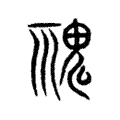
说文解字:鬼 古文从示。

附注 按:甲骨文、金文或從示或從戈或從攴,多用為「鬼方」之「鬼」。

蔣注 《爾雅・釋訓》:「鬼之爲言歸也。」《禮記・祭義》:「眾生必死,死必歸土,此之謂鬼。骨肉斃於下陰爲野土,其氣發揚於上爲昭明。」孔穎達疏:「此釋人氣爲神。言人生時,形體與氣合共爲生,死則氣之精魂發揚而升於上爲神靈光明也。」呉澄注:「此言人之體魄,死則爲鬼也。體魄之能活動爲生,不活動爲死,旣死則不留於人間而歸於土,故名之曰鬼。歸於土者,人之骨肉,死則斃壞於地下,朽腐而爲野中之土也。此言人之魂氣,死則爲神也。未死則魂氣在人之身,旣死則其魂氣散布,升舉於上而爲昭明,與天之昭明者混爲一。」《列子・天瑞篇》:「精神離形,各歸其眞,故謂之鬼。鬼,歸也,歸其眞宅。黃帝曰:精神入其門,骨骸反其根,我尚何存?」

段注 以曡韵爲訓。《釋言》曰:鬼之爲言歸也。郭注引《尸子》。古者謂死人爲歸人。《左傳》。子產曰:鬼有所歸。乃不爲厲。《禮運》曰:䰟氣歸於天。形魄歸於地。

段注 自儿而歸於鬼也。

段注 二字今補。厶讀如私。

段注 陰當作侌。此說从厶之意也。神陽鬼陰。陽公陰私。居偉切。十五部。

Chinese Characters with the Same Radical (鬼)

Chinese Characters with the Same Pinyin (gui)

Popular Chinese Characters

💬 Discussion & Learning Tips

Share your questions or tips about writing 「鬼」. Comments are shared with the Chinese site.

💡 Comments are moderated before appearing
💬 Reply to:

💬 No comments yet. Be the first to share!