How to Write 盥: Chinese Stroke Order

Learn how to write the Chinese character 盥 with stroke order animation, step-by-step stroke images, pronunciation, pinyin and example words. Pinyin: guàn.

How to Write 盥: Stroke Order Animation
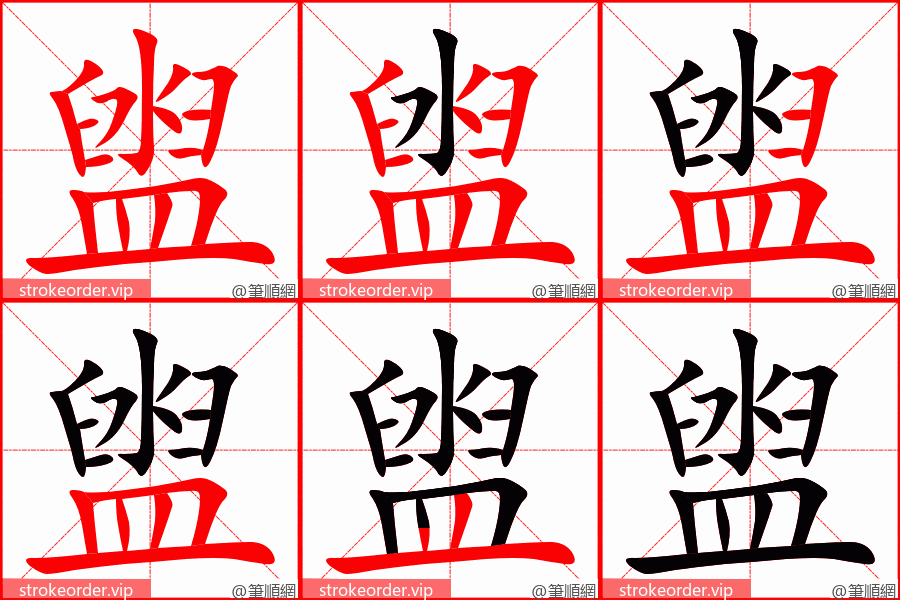
盥 Chinese stroke order animation

🖌️ Calligraphy Appreciation (click to enlarge)
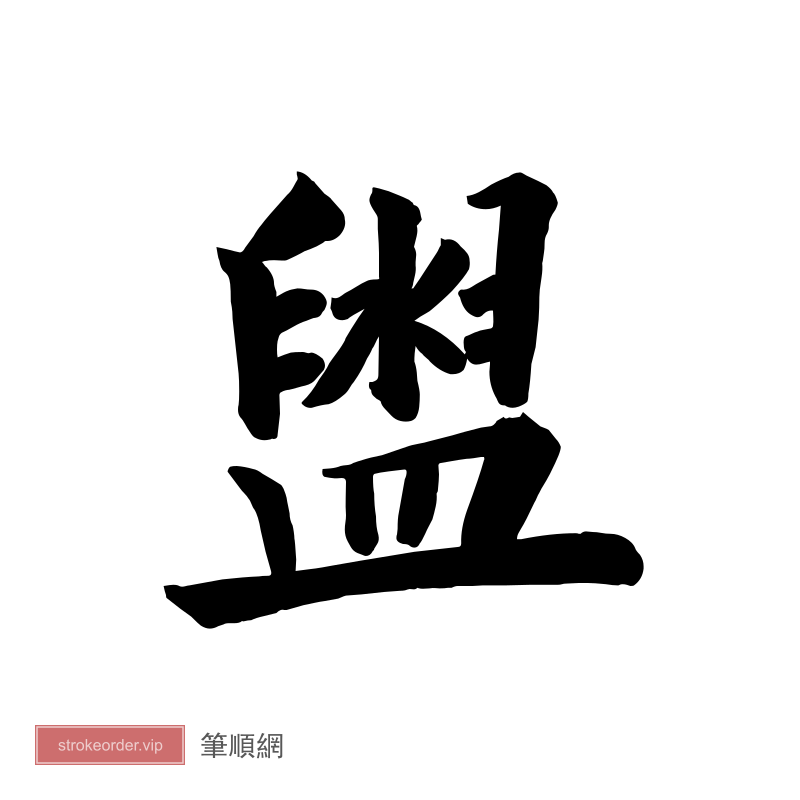
盥 Chinese calligraphy
👆 Click image to enlarge

Stroke Breakdown of 盥 (16 strokes)

16
Stroke 1 of 盥: Left-falling
1 Left-falling
Stroke 2 of 盥: Vertical
2 Vertical
Stroke 3 of 盥: Horizontal
3 Horizontal
Stroke 4 of 盥: Horizontal
4 Horizontal
Stroke 5 of 盥: V-Hook
5 V-Hook
Stroke 6 of 盥: H-Left-falling
6 H-Left-falling
Stroke 7 of 盥: Left-falling
7 Left-falling
Stroke 8 of 盥: Dot
8 Dot
Stroke 9 of 盥: H-Turn
9 H-Turn
Stroke 10 of 盥: Horizontal
10 Horizontal
Stroke 11 of 盥: Horizontal
11 Horizontal
Stroke 12 of 盥: Vertical
12 Vertical
Stroke 13 of 盥: H-Turn
13 H-Turn
Stroke 14 of 盥: Vertical
14 Vertical
Stroke 15 of 盥: Vertical
15 Vertical
Stroke 16 of 盥: Horizontal
16 Horizontal

Words with 盥

盥wash (especially hands)
盥洗washing facilities
handbasin
盥洗台washstand
盥洗室toilet
washroom
bathroom
盥洗盆washstand
盥漱wash one's face and rinse one's mouth

📖 Shuowen Jiezi: Origin and Meaning of 盥

卷别卷五上 位置第157頁,第27字

反切古玩切

说文解字

说文解字:盥 澡手也。从水臨皿。《春秋傳》曰:「奉匜沃盥。」

说文解字注

说文解字:盥 澡手也。

从臼水臨皿也。

《春秋傳》曰:奉匜沃盥。

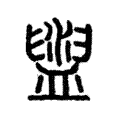
附注 羅振玉《增訂殷虛書契攷釋》:「(甲骨文)象仰掌就皿以受沃。」

段注 《水部》曰:澡,洒手也。《禮經》多言盥。《內則》。每日進盥。五日請浴。三日具沐。其閒面垢請靧。足垢請洗。是則古人每旦必洒手。而洒面則不必旦旦爲之也。《大學》有湯之盤。卽《特牲》、《內則》之盥槃。故其銘曰日日新。凡洒手曰澡,曰盥。洒面曰頮。濯髮曰沐。洒身曰浴。洒足曰洗。

段注 會意。皿者,《禮經》之所謂洗。《內則》之所謂槃也。《內則》注曰:槃,承盥水者。《禮經》注曰:洗,承盥。洗者,棄水器也。古玩切。十四部。

段注 《左傳》僖卄三年文。匜者,柄中有道可以注水。《內則》亦云:請沃盥。沃者,自上澆之。盥者手受之而下流於槃。故曰臼水臨皿。此引傳說字形之意。《特牲》經曰:尸盥。匜水實于槃中。簞巾在門內之右。注。設盥水及巾。尸尊不就洗。又不揮。謂不就洗。故設匜水。水實於匜。匜實於槃也。不揮故設巾。巾實於簞也。古之盥手者用匜澆手。水下流於洗。洒爵者用匜澆爵中。覆水於洗。盥連揮手令乾而已。故《禮經》盥不言帨手。尸尊則帨。敬老則盥卒授巾也。匜之水勺於罍。《少牢》注曰:凡設水用罍。沃盥用枓。禮在此也。是則常用爲匜爲槃。《禮器》爲枓爲洗。又云:洗者,統洗爵而名之也。設水之器。《禮器》爲罍。常用未聞。

Chinese Characters with the Same Radical (皿)

Chinese Characters with the Same Pinyin (guan)

Popular Chinese Characters

💬 Discussion & Learning Tips

Share your questions or tips about writing 「盥」. Comments are shared with the Chinese site.

💡 Comments are moderated before appearing
💬 Reply to:

💬 No comments yet. Be the first to share!